Marlborough Wine Facts That Surprise Almost Everyone
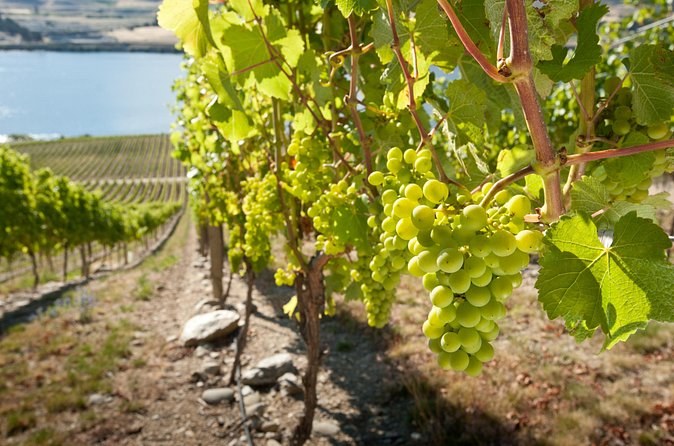
The short answer. Marlborough's first vines went in in 1873, but its wine industry is barely fifty years old: the first commercial vineyard was planted in August 1973, on land that grew barley and lucerne. Today it is New Zealand's largest wine region, with almost 31,000 hectares of vines, around two-thirds of the country's total. The facts below are the ones that surprise visitors most, each with its source.
Marlborough wine in numbers
Before the stories, the figures. Most people expect an old wine region; the dates say otherwise. If you are weighing up the best Marlborough wine tour for your trip, these are the numbers a good guide will quote on the road between cellar doors.
| Figure | What it is | Source |
|---|---|---|
| 1873 | The first vines, Brown Muscat, at Fairhall | Wine Marlborough |
| August 1973 | The first commercial vineyard, in the Brancott Valley | Wine Marlborough |
| 3,500 ha | Vines in 1999 | Wine Marlborough |
| 21,276 ha | Vines in 2007 | Wine Marlborough |
| Almost 31,000 ha | Vines today, around two-thirds of the national total | NZ Winegrowers |
| Around 80% | Marlborough's share of New Zealand's wine exports | Wine Marlborough |
| More than 30 | Cellar doors open to visitors | Wine Marlborough |
1. The first vineyard came a century early
In 1873 a Scotsman, David Herd, planted a small vineyard of Brown Muscat at Fairhall, in what are now the Southern Valleys. In a district known for its crops, it was an oddity. Nobody followed him for a hundred years.
2. The first winery was near Picton, and it closed
George Freeth opened Marlborough's first winery near Picton in 1880. It ran for decades and shut in 1958, fifteen years before the modern industry began.
3. Before 1973, this was barley and lucerne country
The vine rows you see from the road are recent. Until 1973 Marlborough was known for its sunshine and for growing barley and lucerne, a fodder crop. Then a wine company from Auckland bought land and changed the view for good.
4. The first commercial vines went in in August 1973
Montana began planting in the Brancott Valley in August 1973, the start of Marlborough wine as a business. Sauvignon Blanc followed two years later, in 1975. The Brancott Valley is one of the six Southern Valleys you can drive through from Blenheim.
5. One year brought three trophies and a vine pull
In 1986 a Hunter's Marlborough Sauvignon Blanc took the top three trophies at the London International Wine Show. The same year, New Zealand was paying growers to pull out vines of unsuitable varieties. The region's future was being decided in the glass and in the field at once.
6. Phylloxera arrived just as the fame did
The vine pest phylloxera was first recorded in Marlborough in 1984 and was widespread by 1992. The vineyards were replanted through the same years that made their name abroad.
7. The vineyard area grew sixfold in eight years
In 1999 Marlborough had 3,500 hectares of vines. By 2007 it had 21,276. Today New Zealand Winegrowers counts almost 31,000 hectares, around two-thirds of all the vines in the country. The region makes around 80% of New Zealand's wine exports.
8. The valley is named for a hole in the cloud
Māori called the Wairau Valley Kei puta te Wairau, the place with the hole in the cloud. It is one of the sunniest and driest parts of New Zealand, and the long sunny days are one reason the grapes ripen with such intensity.
9. The cold nights matter as much as the sun
Summer days here run around 11 degrees warmer than the nights. That swing keeps the acidity in the grapes and slows the ripening, which is where Marlborough Sauvignon Blanc gets its sharp, bright taste. The region sits at 41.3° south, between Cook Strait and the Pacific.
10. The valley names are descriptions
Wairau means "many waters", for the braided river that runs across the plain to Cloudy Bay. Awatere means "fast-flowing stream". The Awatere Valley, to the south, sits under Tapuae-o-Uenuku, at 2,880 metres the highest peak in Marlborough.
11. It is not only Sauvignon Blanc
Sauvignon Blanc put New Zealand on the international wine stage in the 1980s, and it is still the wine most visitors come for. But the region grows over 25 varieties, from Pinot Noir, Chardonnay and Pinot Gris to Riesling, aromatic whites and traditional-method sparkling wine.
12. Almost all of it is certified sustainable
Wine Marlborough puts 97% of the producing vineyard area under Sustainable Winegrowing New Zealand certification. Ask about it at a cellar door; it is the region's own standard.
13. The cellar doors are minutes apart
New Zealand Winegrowers counts more than 30 cellar doors, almost all within a ten-minute drive of each other. That is why a single day can take in three to five of them at 40 to 60 minutes each, and why the flat valley floor works on a bike.
14. Sauvignon Blanc turned fifty in 2025
The 2025 vintage marked fifty years since the first Sauvignon Blanc went into the ground in the Brancott vineyard, in 1975. One winemaker called it a smooth, easy harvest that did not miss a beat.
15. The big festival is on hold
The Marlborough Wine & Food Festival began in 1985 and ran for 33 years at Brancott Vineyard before moving to Renwick Domain in 2023. It is now on hold, so no date is set. SauvBlancDay, on the first Friday in May, is the fixed date on the calendar.
Hear the stories on the ground
A guide who knows the history turns the drive between cellar doors into the best part of the day. One traveller's guide explained how wine took off in Marlborough on the way to the first vineyard. The Beyond the Vines full day is led by a guide travellers describe as strong on viticulture. If you are on a ship, Jade's shore excursion has a driver who explains the area and the wines as you go. The history is also set out on the Marlborough wineries page, and the full visit, from ferry to fares, is in how to visit Marlborough wine country.
Days with a guide who tells the story
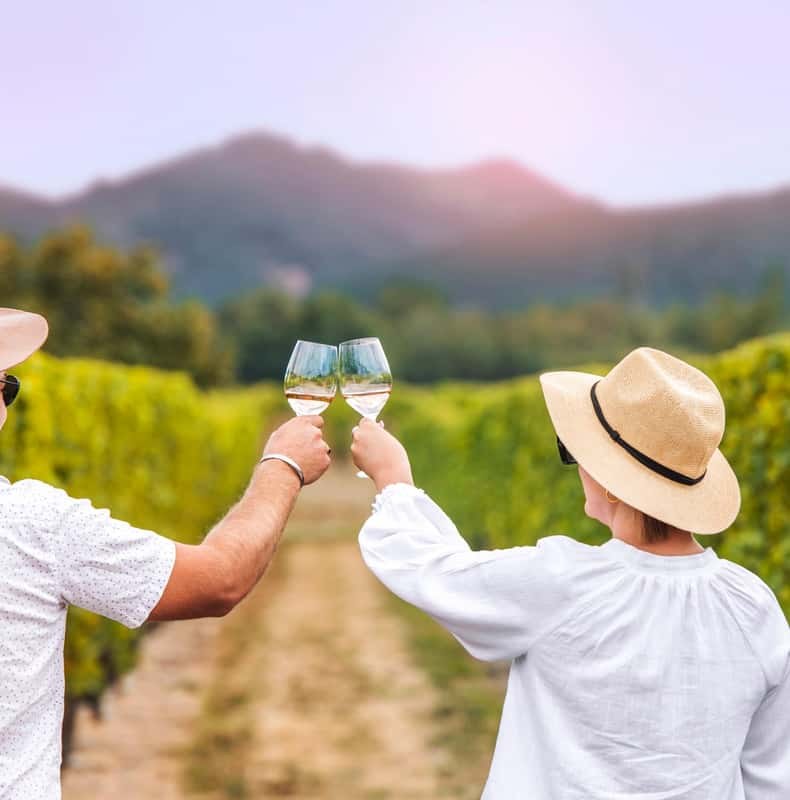
Day of Wine
Six hours from your Blenheim accommodation, in time for a 10am first pour: four cellar doors, a vineyard walk, a winery lunch at your own cost, and the Makana chocolate factory to finish.
From $159 per person
Check Availability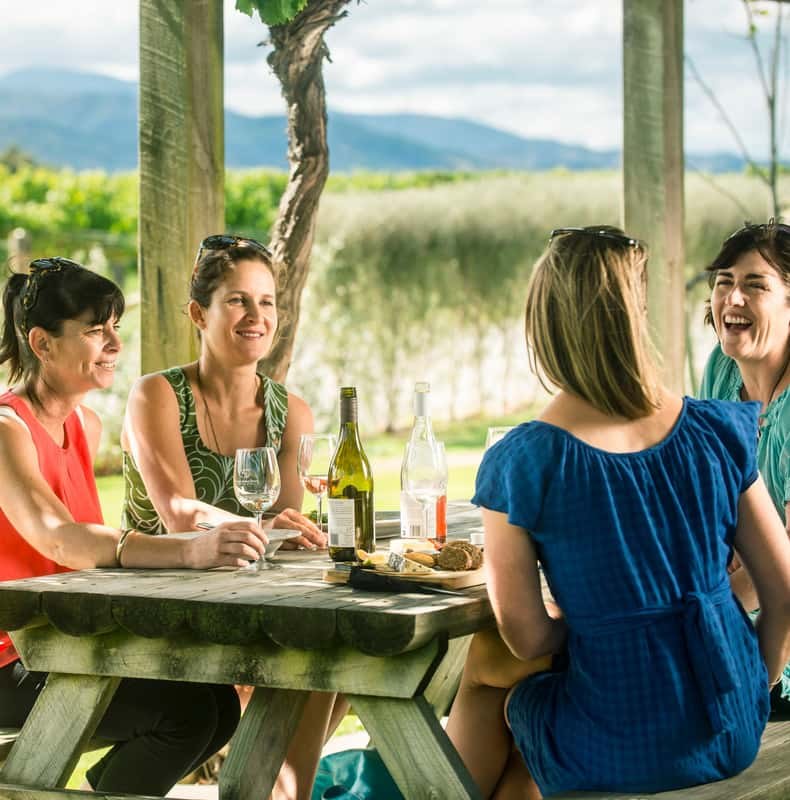
Blenheim/Renwick: Marlborough Half-Day Wine Tour with Lunch
Four hours from Blenheim or Renwick: tastings at three or four wineries in the fare, and a 90-minute stop at a vineyard restaurant where you choose and pay for your own lunch.
From $110 per person
Check Availability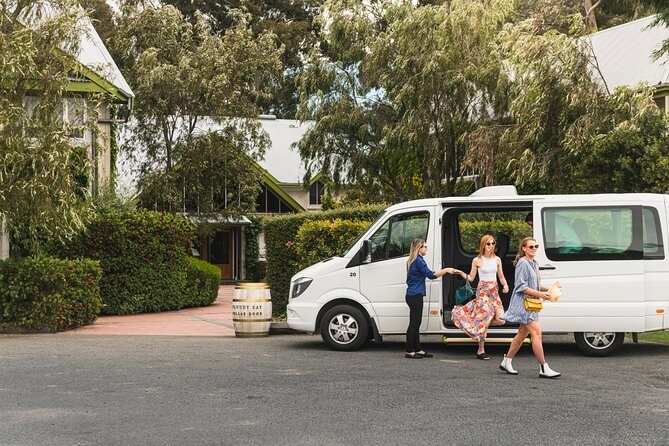
Full-Day Marlborough Wine Tour from Blenheim
Seven hours from the Blenheim i-SITE at 9.15am: tastings hosted by winemakers and a two-course lunch at a winery restaurant, both in the fare, and back by 4.30 to 5pm. Adults only.
From $220 per person
Check AvailabilityNext: Off a ship for a day? Read Marlborough wine from a cruise ship. Every fare sits side by side on Marlborough Wine Tours.