Marlborough Wine Subregions: the Wairau, the Southern Valleys and the Awatere
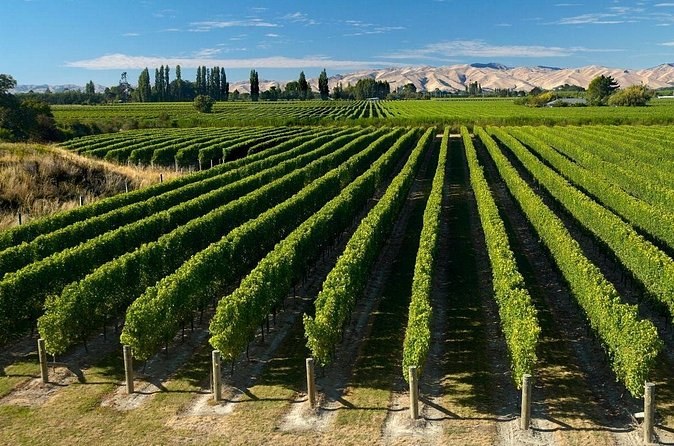
The short answer. Marlborough wine grows in three subregions. The Wairau Valley is the largest and most planted, on river gravels around Rapaura and Renwick, and it is where nearly every tour spends the day. The Southern Valleys, on older clay soils, hold around a fifth of the vineyards and the region's first vines. The Awatere Valley, further south, is the coolest, driest and windiest of the three.
The three subregions side by side
You taste the difference before you see it. A Sauvignon Blanc from the valley floor, one from the clay hills and one from the windy south can taste like three different grapes. If you are choosing a New Zealand Marlborough wine tour, knowing which valley a cellar door sits in tells you what the glass will do.
| Subregion | Soils | Climate | What it is known for |
|---|---|---|---|
| Wairau | River gravels and stony beds; silts to the east | Sunny, sheltered, long hours of sun | Intense Sauvignon Blanc; Chardonnay, Pinot Gris, Pinot Noir |
| Southern Valleys | Older, richer in clay | Cooler, later ripening | Structured Sauvignon Blanc; Pinot Noir on the hillsides |
| Awatere | Loess, gravel and marine soils on terraces | Cooler, drier and windier than anywhere else | Herbal, mineral Sauvignon Blanc; bright Pinot Noir |
The Wairau Valley: many waters
Wairau means "many waters", and the name fits. The braided Wairau River runs from the mountains in the west to Cloudy Bay in the east, carrying water above and below the ground. Māori called the valley Kei puta te Wairau, the place with the hole in the cloud, for its sunshine. The Wairau Valley is Marlborough's largest and most planted valley, and the one you drive through from Picton or fly over into Blenheim.
It is not one place, though. Wine Marlborough splits it three ways:
- Central Wairau, around Rapaura and Renwick: free-draining gravels and stony riverbeds, and wines of vivid intensity. The bike bases on Rapaura Road sit here.
- Lower Wairau, to the east: deep alluvial silts and sea breezes, a cooler and more maritime style.
- Upper Wairau, to the west, rising toward the mountains: cooler, more continental, and still being planted out.
Many families who planted here in the late 1970s and 1980s still make wine today.
The Southern Valleys: where it began
South of the Wairau plains, six small valleys spread out like fingers: Brancott, Omaka, Fairhall, Waihopai, Ben Morven and Taylor. Together they hold around a fifth of Marlborough's vineyards. The soils are older and richer in clay than the valley floor, and the grapes ripen later.
This is where Marlborough wine started. David Herd planted the region's first vines, Brown Muscat, at Fairhall in 1873. A century later, in August 1973, Montana put in the first commercial vineyard in the Brancott Valley, and Sauvignon Blanc followed two years later. The wines here are more restrained: Sauvignon Blanc with gooseberry, citrus and texture, and Pinot Noir with dark cherry and plum from the leanest hillside soils. Chardonnay does well here too.
The Awatere Valley: fast-flowing stream
Awatere means "fast-flowing stream". The Awatere Valley is the most distinct of the three: south of the Wairau, climbing inland toward the Inland Kaikōura Range under Tapuae-o-Uenuku, at 2,880 metres the highest peak in Marlborough. It is cooler, drier and windier than anywhere else in the region.
Vines arrived only in the 1980s, on land that had been part of huge sheep stations such as Flaxbourne and Starborough. The Awatere Fault lifted terraces and white cliffs of old Papa rock here, over a patchwork of loess, gravel and marine soils. The Sauvignon Blanc is precise, herbal and mineral, sometimes with a salty edge. Further south, Blind River is cooler still, and a seam of limestone near Ward and Kēkerengū is starting to show in the glass.
Which valley does a tour reach?
Almost every tour here spends its day in the Wairau Valley, where most cellar doors sit within ten minutes of each other. That is no loss: it is the heart of the region and the source of the wine most visitors know. The cellar doors that tour itineraries name, such as Saint Clair, Allan Scott, Framingham, Cloudy Bay and Clos Henri, are all short drives from Blenheim and Renwick.
The Southern Valleys begin just south of Blenheim. The Awatere is a longer drive south, and no group tour itinerary names a cellar door there. If you want it, a private day lets you ask. The cellar doors and their grapes are listed on the Marlborough wineries page, and each valley is marked on the Marlborough wine map.
How to taste the three valleys in one day
Wine Marlborough's advice is to compare one variety across producers. Do it with Sauvignon Blanc, the grape that put New Zealand on the wine map in the 1980s:
- Ask at each cellar door which valley the fruit came from.
- Taste a Wairau Sauvignon Blanc first: vivid and intense.
- Then a Southern Valleys one: firmer, with more texture.
- End on an Awatere bottling if one is open: leaner, more herbal, and saltier.
The Beyond the Vines full day pours Sauvignon Blanc, Pinot Gris, Riesling and Pinot Noir at several stops, which gives you the range. The self-guided bike day starts on Rapaura Road in the Central Wairau, with over a dozen wineries within three kilometres. Every day with a guide is on Marlborough wine tours from Blenheim.
What the valleys share
The climate ties them together. Marlborough sits at 41.3° south, at the top of the South Island, with Cook Strait to the north and the Pacific to the east. Summer days are warm and the nights cold, with a swing of around 11 degrees, which keeps acidity in the grapes and slows the ripening. And 97% of the producing vineyard area is certified by Sustainable Winegrowing New Zealand. For the history behind all three valleys, read the Marlborough wine facts.
Days that name their cellar doors
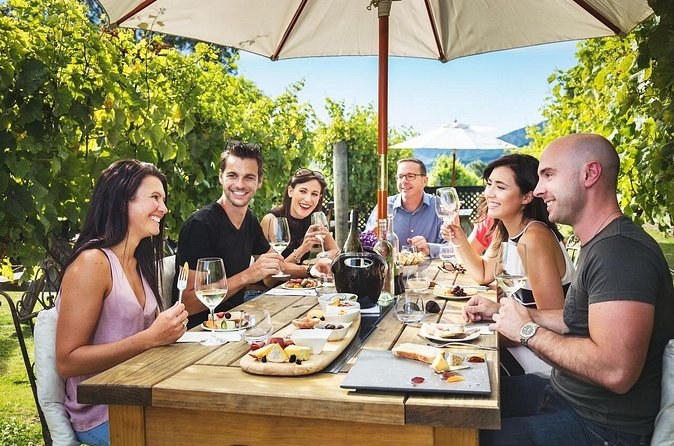
Gourmet Gold Wine Tour: Indulge in Cloudy Bay's finest wines
Six guests at most from Blenheim or Renwick: tastings at Cloudy Bay, Allan Scott and Clos Henri, a two-course lunch at Saint Clair, then chocolate at Makana, with the fees and the lunch in the fare.
From $340 per person
Check Availability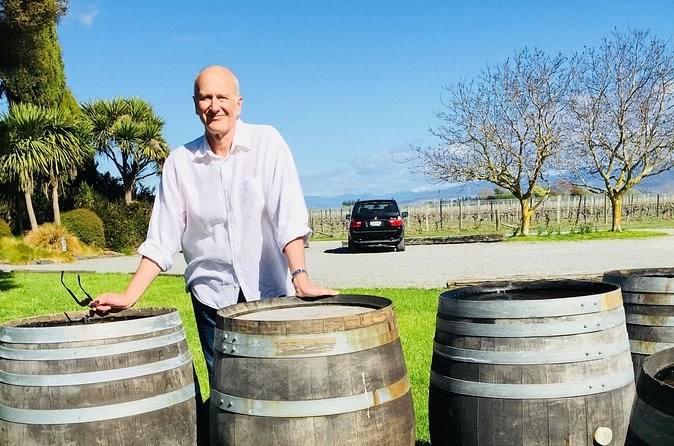
Jimmy’s Classic Marlborough Wine tours
A private day for up to four from Blenheim at 10am: about an hour each at Clos Henri, Bladen, Huia and Saint Clair, and 90 minutes at Rock Ferry. Tasting fees in the fare; lunch is not.
From $228 per person
Check Availability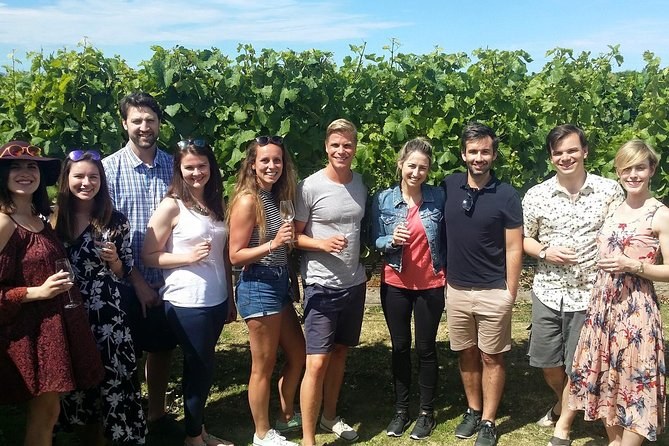
Half-Day Marlborough Wine Tour & Beer Tour
Four and a half hours from your Blenheim or Renwick door, with Saint Clair, Hunter's, Allan Scott and Framingham on the plan, a chocolate stop at Makana, and every tasting fee in the fare.
From $121 per person
Check AvailabilityNext: Read the dates and figures behind the valleys in Marlborough wine facts that surprise almost everyone. Every fare sits side by side on Marlborough Wine Tours.